


Table of Contents
Share


Most software sites don’t have a product problem. They have a visibility problem.
The site may look polished and the team may be shipping fast. But if search engines can’t crawl your pages, buyers can’t find clear answers, and AI tools can’t pull your content into responses, you’re losing before the demo even starts.
Comprehensive search engine optimization is required to compete in modern SaaS markets. Software website SEO has to do more than rank, it has to help the right people find, trust, and choose you.
Key Takeaways
A strong checklist is simpler than most teams make it:
- Prioritize feature pages, use-case pages, pricing pages, and comparison pages.
- Ensure key pages are crawlable, indexable, and reachable in three clicks.
- Tackle technical SEO and content optimization: page speed, internal links, schema, canonicals, JavaScript issues.
- Build topic clusters around buyer questions, not vanity traffic.
- Add proof, FAQs, and sharp calls to action so rankings turn into pipeline.
Start With the Pages That Drive Revenue
Here’s the mistake a lot of SaaS teams make. They skip keyword research and publish blog posts for months, then wonder why signups barely move.
If your money pages are thin, missing, or hard to find, blog traffic won’t save you. Your homepage, features, use cases, integrations, pricing, alternatives, and comparison pages do the heavy lifting. Effective website seo software helps identify these high-intent pages that meet buyers close to a decision and improve search engine rankings.
Each page needs its own intent. A feature page should explain what the product does, while a use-case page should show who it’s for. A comparison page should handle objections head-on, and a pricing page should reduce confusion, not create it.
Paid ads can help, sure. But they’re rented attention, while strong organic pages keep working after the campaign ends. Done right, your SEO becomes an asset, not a monthly reset button.
Fix the Technical Foundation First
Content can’t carry a broken site. That’s the part people skip, then pay for later.
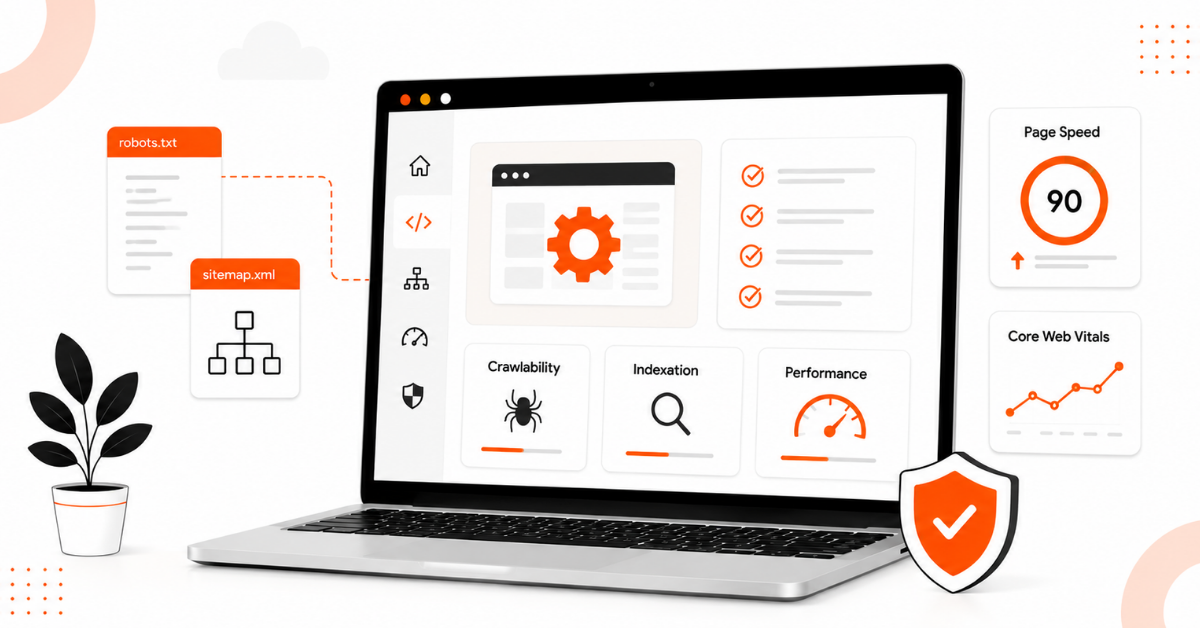
Start with crawlability and indexation. Ensure a website crawler can access the site easily, your xml sitemaps list only indexable URLs, robots.txt rules block junk instead of important pages, and canonical urls point to the right version.
If you use a JavaScript-heavy stack, make sure SEO-critical pages render clean HTML, since for many software sites, server-side or static rendering is still the safer bet.
Next, clean up architecture and structure. Use internal linking to keep key pages within three clicks from the homepage, use simple URLs, and avoid burying high-value pages inside messy filters, parameters, or orphaned sections. Add breadcrumb and product-related structured data where it fits, because structured content helps both search engines and AI systems understand what your pages are about.
Then check page speed and performance. Core Web Vitals matter, especially for a mobile-friendly site, since slow pricing pages and clunky feature pages leak conversions.
If you want another benchmark to compare against, this technical SEO guide for SaaS covers many of the same high-impact fixes.
Build Content Buyers and AI Can Use
Now let’s talk content. Not more content, better content.
The best software website SEO programs use a hub-and-spoke model. One core page targets the big topic, while supporting pages, optimized for long-tail keywords, answer related questions, comparisons, jobs-to-be-done, integrations, setup issues, and pricing concerns.
That structure builds topical authority and helps visitors move naturally from research to evaluation. It also makes your content easier for both search engines and users to navigate.
This also matters for AI-driven discovery. Buyers don’t only search Google anymore, they:
- Ask ChatGPT
- Use ai search engines
- Scan AI Overviews
- Rely on answer engines during early research
To earn LLM citations and excel at answer engine optimization, your pages must:
- Define terms clearly
- Compare options honestly
- Answer follow-up questions in plain English
Google has also gotten better at spotting empty content. Thin AI copy isn’t enough, so add:
- Real product experience
- Screenshots
- Customer proof
- Expert bylines
- Examples pulled from how teams use the software
If you’re sanity-checking your plan, this 2026 SEO tips for software brands is a useful second reference.
Turn Rankings Into Trials and Demos
Traffic is nice. Conversion is better.
When someone lands on an organic page, they should know three things fast:
- What the product does
- Who it’s for
- What to do next
That means clear headlines, visible trial or demo calls to action, proof near the decision point, and internal links that move people toward pricing or contact.
This is where a lot of SEO programs fall apart. They chase rankings, then ignore the handoff, even though organic traffic must be qualified to result in pipeline.
Track performance by focusing on:
- Demo requests
- Trials
- Assisted conversions by page type
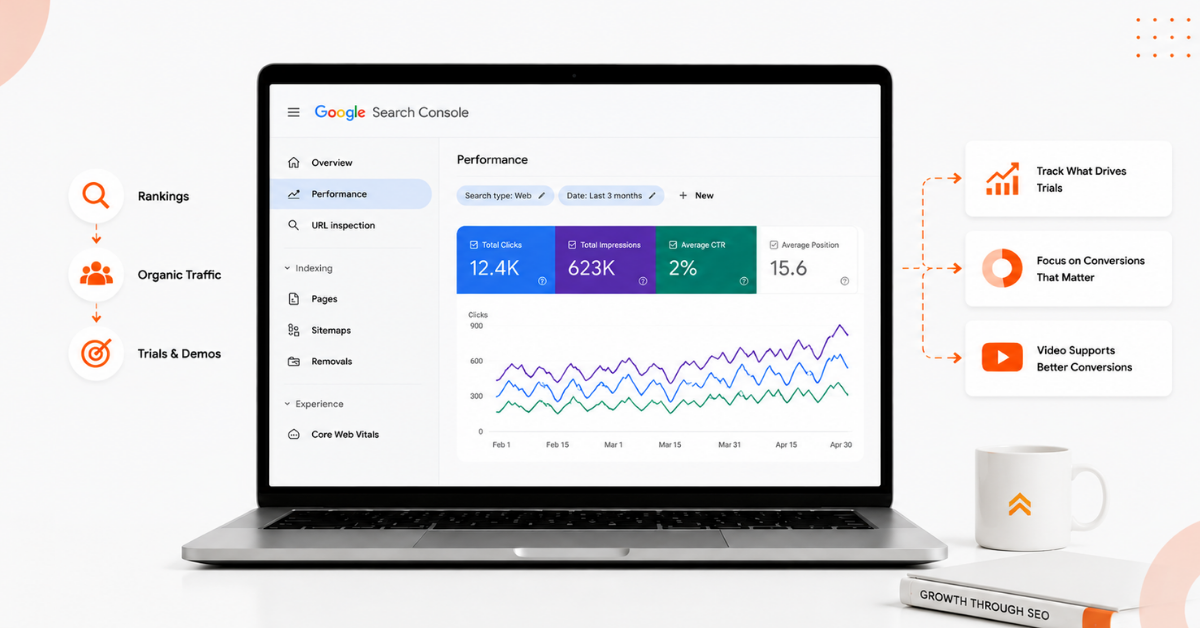
Use Google Search Console and rank tracking to monitor which pages are actually driving trials.
Comparison pages, pricing pages, and use-case pages often outperform flashy top-of-funnel posts because buyer intent is stronger. Competitor research and backlink analysis can help identify why some pages convert better than others.
And one more thing, your audience doesn’t only read. They watch, so product explainers, comparison videos, and YouTube search can support the same topics your site is trying to rank for.
FAQs
Here are the additional questions you might ask for.
How Often Should a Software Site Run an SEO Audit?
Do a full site audit every quarter. Check Google Search Console for crawl errors, indexation, broken links, and Core Web Vitals every month, or more often on large sites.
Do AI Overviews and ChatGPT Change the Checklist?
Yes, AI Overviews and ChatGPT change the checklist, but they don’t replace the basics. You still need strong technical SEO and good pages, but clear structure, direct answers, schema, and real expertise matter even more now.
Should Feature Pages and Use-Case Pages Be Separate?
Yes, feature pages and use-case pages should usually be separate.
Keyword research shows distinct search volume for feature queries versus use-case needs. Feature pages explain capabilities, while use-case pages match those capabilities to a buyer’s situation.
Is Blog Content Enough for SaaS SEO?
No. Blog posts help you build reach, domain authority, and authority score, but commercial pages close the gap between traffic and revenue.
A smarter model blends technical fixes like broken links, content, and conversion work, like this technical, content, and conversion checklist.
Ready to Build a Stronger Organic Growth System?
The website seo software checklist isn’t complicated. Rank-worthy software sites have clear commercial pages, a clean technical setup, helpful content, and obvious paths to conversion.
That’s why organic growth compounds over time. While local seo might be niche for some SaaS, you aren’t paying for every click forever, you’re building pages that keep earning visibility, trust, and demand.
If your team wants a more structured approach, Refresh helps software and SaaS brands grow organic traffic through SEO, AEO, and strategic video content. It connects search, AI visibility, and content into one system, so you can build a stronger traffic foundation over time.
If you want to map this out for your own site, you can book a call now!
.svg)
